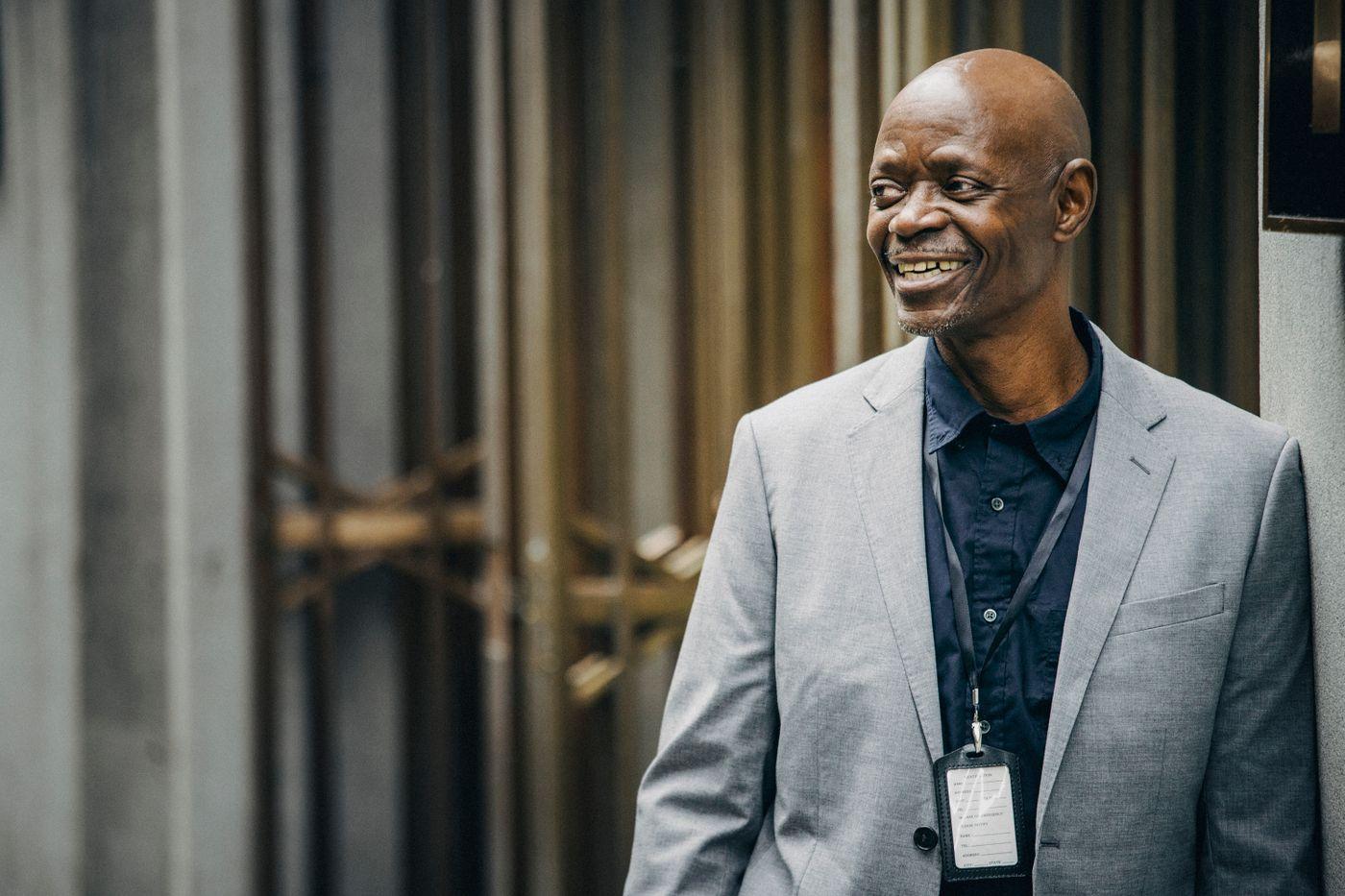
Fostering Environments of Belonging and Excellence

Workplace culture is the invisible thread that holds an organization together. It encompasses the values, beliefs, and behaviors that define the work environment. For Black professionals in the Pacific Northwest, the quality of this culture can significantly impact their job satisfaction, performance, and long term career growth. A culture that fosters a true sense of belonging is one where everyone feels valued, respected, and empowered to contribute their best work. This is not achieved by accident, but through intentional effort and a commitment to continuous improvement.
Building such a culture starts at the top. Leaders must set the tone by modeling the behaviors they wish to see in their teams. This includes practicing open communication, showing empathy, and demonstrating a genuine commitment to diversity and inclusion. When employees see their leaders valuing different perspectives and treating everyone with respect, it creates a sense of safety that allows for greater creativity and collaboration. It is about creating an environment where people feel comfortable sharing their ideas, even if they are unconventional.
The Importance of Psychological Safety
Psychological safety is the belief that one will not be punished or humiliated for speaking up with ideas, questions, concerns, or mistakes. In a diverse workplace, this is particularly important. Employees from marginalized backgrounds may be more hesitant to share their perspectives if they do not feel supported. Leaders can foster psychological safety by actively seeking out diverse viewpoints, acknowledging their own mistakes, and creating clear channels for feedback. When people feel safe to be themselves, they are more likely to be engaged and productive.
- Encourage open dialogue and active listening.
- Provide opportunities for professional development and growth.
- Celebrate successes and learn from failures as a team.
Equity in Opportunities and Recognition
A healthy workplace culture also requires a commitment to equity. This means ensuring that everyone has access to the same opportunities for advancement and that their contributions are recognized and rewarded fairly. It involves examining hiring practices, promotion processes, and performance evaluations to identify and address any biases. Equity is not just about fairness, it is about creating a level playing field where talent and hard work are the primary drivers of success. In the competitive business landscape of Washington and Oregon, attracting and retaining top talent requires a culture that truly values excellence in all its forms.
"A culture of excellence is built on the foundation of mutual respect and a shared commitment to a higher purpose."
Finally, workplace culture should be dynamic and adaptable. As the organization grows and the world changes, the culture must evolve as well. This requires regular check ins with employees to understand their experiences and identify areas for improvement. A culture that is willing to listen and change is one that will remain relevant and resilient over the long term. By prioritizing the well being and development of their people, organizations can create a workplace that is not only productive but also a source of pride and fulfillment for everyone involved.