Black Women Are Leaving The Workforce In Droves And Building Businesses Instead
For years, Black women have been told to work twice as hard for half as much.
Many of us did exactly that.
We climbed corporate ladders. We earned degrees. We became leaders, managers, directors, and executives. We showed up early, stayed late, solved problems no one else wanted to touch, and carried organizations on our backs while being overlooked, underpaid, unsupported, and exhausted.
Now something is shifting.
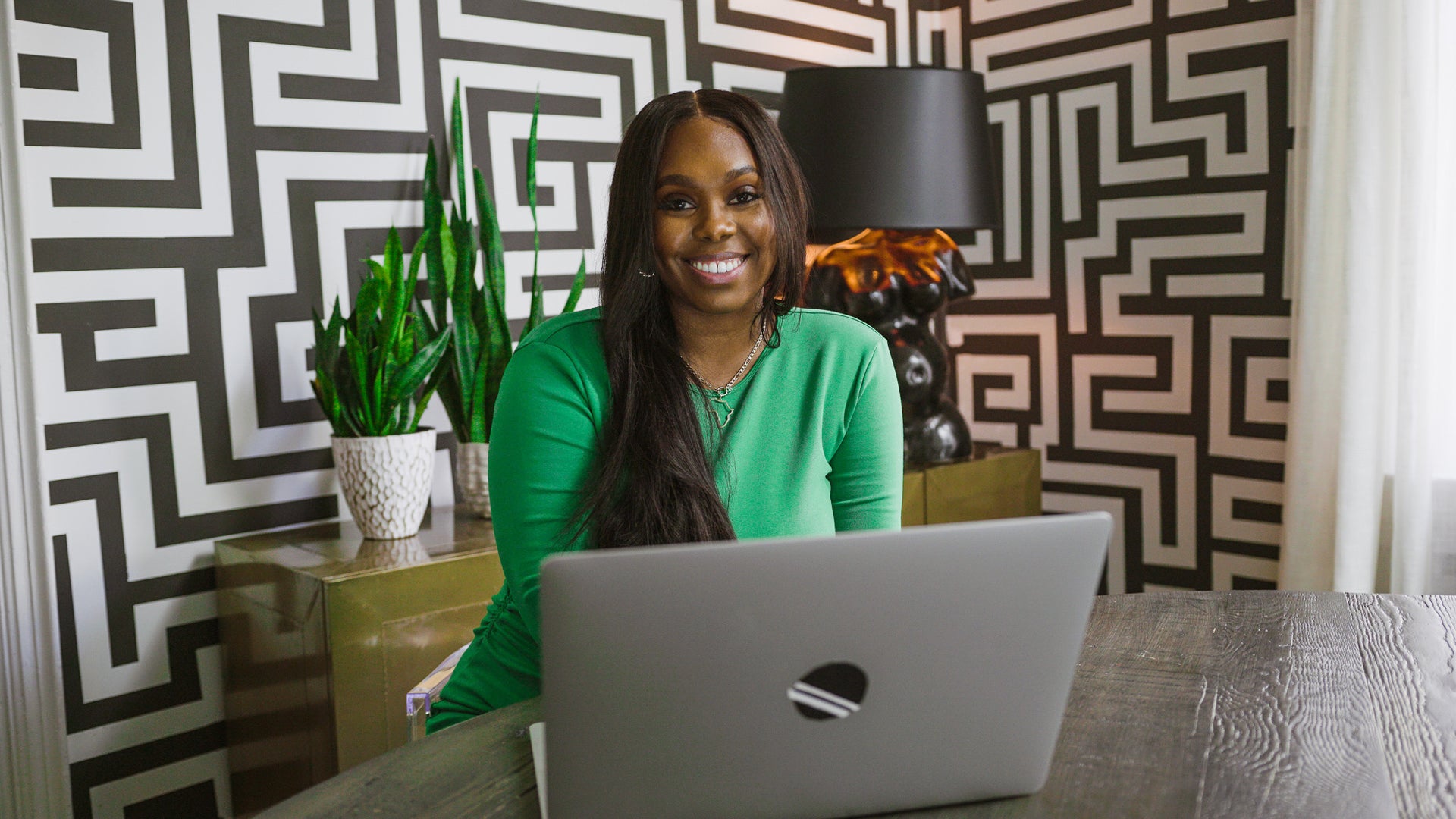
Black women are quietly walking away from traditional workplaces and becoming one of the fastest-growing groups of entrepreneurs in the country.
And honestly? It makes perfect sense.
The cost of being twice as good
This is not happening because Black women suddenly became "anti-work." It is happening because many workplaces have become emotionally unsustainable for us.
Too many Black women know what it feels like to:
- be the most qualified person in the room while still being questioned
- carry invisible labor no one acknowledges
- mentor everyone while receiving little mentorship ourselves
- be praised for resilience while being denied support
- experience burnout disguised as professionalism
- survive environments where we are expected to constantly prove our value
Many Black women are no longer interested in surviving workplaces that drain them while offering little psychological safety, flexibility, or equitable opportunity in return.
So instead, we are building
We are building consulting firms, wellness brands, marketing agencies, cleaning companies, beauty businesses, tech platforms, coaching brands, restaurants, and creative agencies. We are monetizing the skills corporations benefited from for years.
For many Black women, entrepreneurship is no longer just about financial freedom. It is about reclaiming autonomy.
It is about choosing:
- peace over performance
- ownership over approval
- flexibility over burnout
- purpose over survival
"Many are leaving because they already succeeded there and discovered the cost was too high."
Entrepreneurship is not easy, but the labor finally belongs to us
That does not mean entrepreneurship is easy.
Building a business requires sacrifice, discipline, uncertainty, visibility, and risk. Many entrepreneurs work longer hours than they did in corporate spaces. The difference is that the labor finally belongs to them.
And despite the growth of Black women-owned businesses, there are still major barriers:
- lack of funding
- limited access to capital
- fewer networking opportunities
- visibility challenges
- resource gaps
- supplier diversity barriers
Why platforms like The BIB exist
That is part of the reason platforms like The Black in Business exist.
Black-owned businesses deserve more than temporary trends and performative support during moments of social outrage. They deserve sustainable ecosystems that help them grow, connect, scale, and thrive.
The future of Black entrepreneurship cannot rely solely on hustle culture. It must also include:
- infrastructure
- collaboration
- visibility
- education
- mentorship
- strategic support
- economic circulation within our communities
Choosing ourselves
Black women are not leaving the workforce because they are incapable of succeeding there.
Many are leaving because they already succeeded there and discovered the cost was too high.
Now they are choosing themselves.
And increasingly, they are choosing ownership.
The rise of Black women entrepreneurs is not just a business trend. It is a cultural shift, an economic shift, and in many ways, a form of collective reclamation.
Black women are no longer waiting for permission to lead.
We are building our own tables.
And this time, we intend to own them.